Ducted Gas Heating vs Reverse Cycle Air Conditioning — Blue Mountains Guide
If you own a home in the Blue Mountains — whether in Katoomba, Springwood, Blackheath, Leura, or Wentworth Falls — you've faced the question: ducted gas heating, or reverse-cycle air conditioning? Both have their place, and the right answer depends on your home, your budget, and how you use the space.
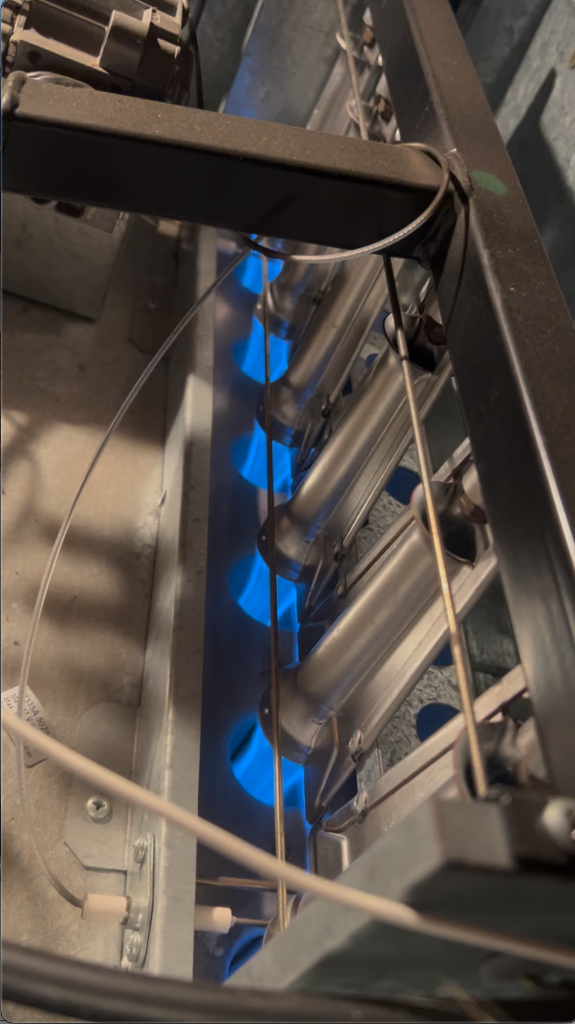
Option 1: Ducted Gas Central Heating Ducted gas heating uses a single gas furnace unit (usually in the ceiling or under the floor) that distributes warm air through ducts to every room in the house via grilles or floor registers.
Advantages: • Powerful, rapid whole-home warming — gas produces intense, dry heat ideal for cold mountain winters • Lower heating running costs compared to electric systems (at current gas prices) • Great for large, older Blue Mountains homes with existing ductwork • Familiar, reliable technology — Braemar and Brivis are trusted Australian brands • Betar Air are authorised Braemar technicians
Disadvantages: • Heating only — no cooling in summer • Annual gas safety inspections and servicing required • Gas prices have been rising — long-term running costs less certain • Carbon monoxide risk if not properly maintained (annual inspection is essential)
Option 2: Reverse-Cycle Air Conditioning (Split System or Ducted Reverse-Cycle) Reverse-cycle air conditioning uses electricity to move heat — extracting warmth from the outside air even in very cold conditions — to heat or cool your home.
Advantages: • Heating AND cooling from one system — year-round comfort • No gas connection or annual gas safety inspections required • Compatible with solar panels — can significantly reduce running costs • Cold-climate rated systems (like Daikin Perfera) work in temperatures to -15°C • Future-proof as electricity grids move to renewables
Disadvantages: • Higher upfront cost for ducted reverse-cycle • Electricity prices are high — running costs can exceed gas heating in large homes without solar • Cold-climate units must be specified for upper Blue Mountains locations
The Most Popular Solution in the Blue Mountains Many Blue Mountains homeowners choose a hybrid approach: • Ducted gas central heating for whole-home warmth in winter (fast, powerful, economical) • Reverse-cycle split systems in key rooms for year-round use and summer cooling
This gives you the best of both worlds — reliable winter heating across the whole house, and flexible room-by-room control in summer.
Running Cost Comparison (Approximate) • Ducted gas heating (6-star Braemar): approx. $1.20–$1.80/hour to heat a whole home • Ducted reverse-cycle (high-efficiency): approx. $1.50–$2.50/hour for whole-home heating • Reverse-cycle split system (single room): approx. $0.10–$0.25/hour
Note: Running costs depend heavily on home size, insulation, and local energy prices.
Our Recommendation For older Blue Mountains homes with existing ductwork and no solar: ducted gas heating combined with a cold-climate split system in the main living area and master bedroom.
For new builds, heavily insulated homes, or properties with solar panels: ducted reverse-cycle is increasingly competitive and eliminates gas safety concerns.
For smaller homes and units: cold-climate reverse-cycle split systems are the most practical and affordable solution.
Betar Air provides free, honest assessments with no sales pressure. We install both ducted gas heating and reverse-cycle systems, so we'll recommend what's genuinely best for your situation.
Call 0438 944 224 or request a free quote online.